
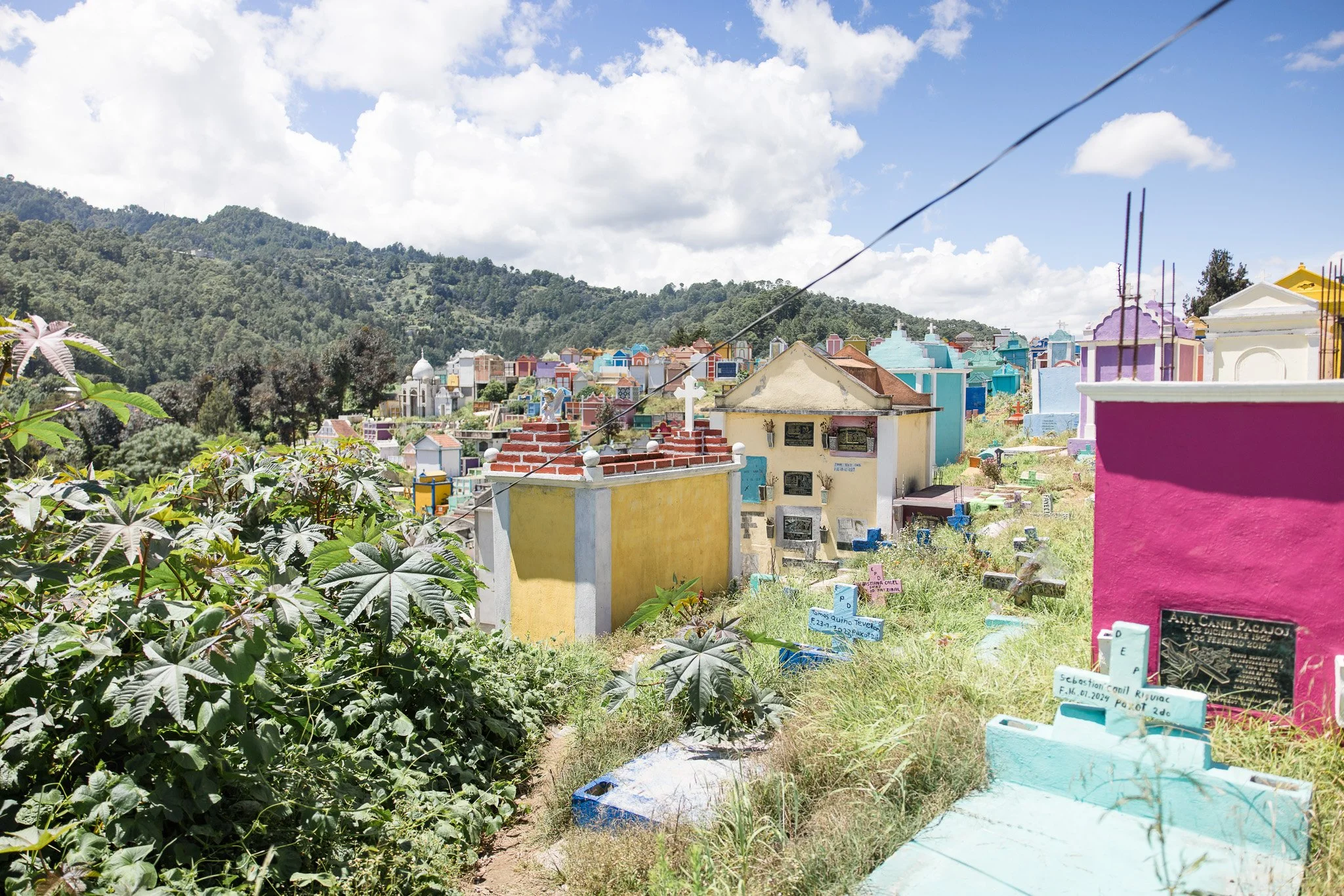

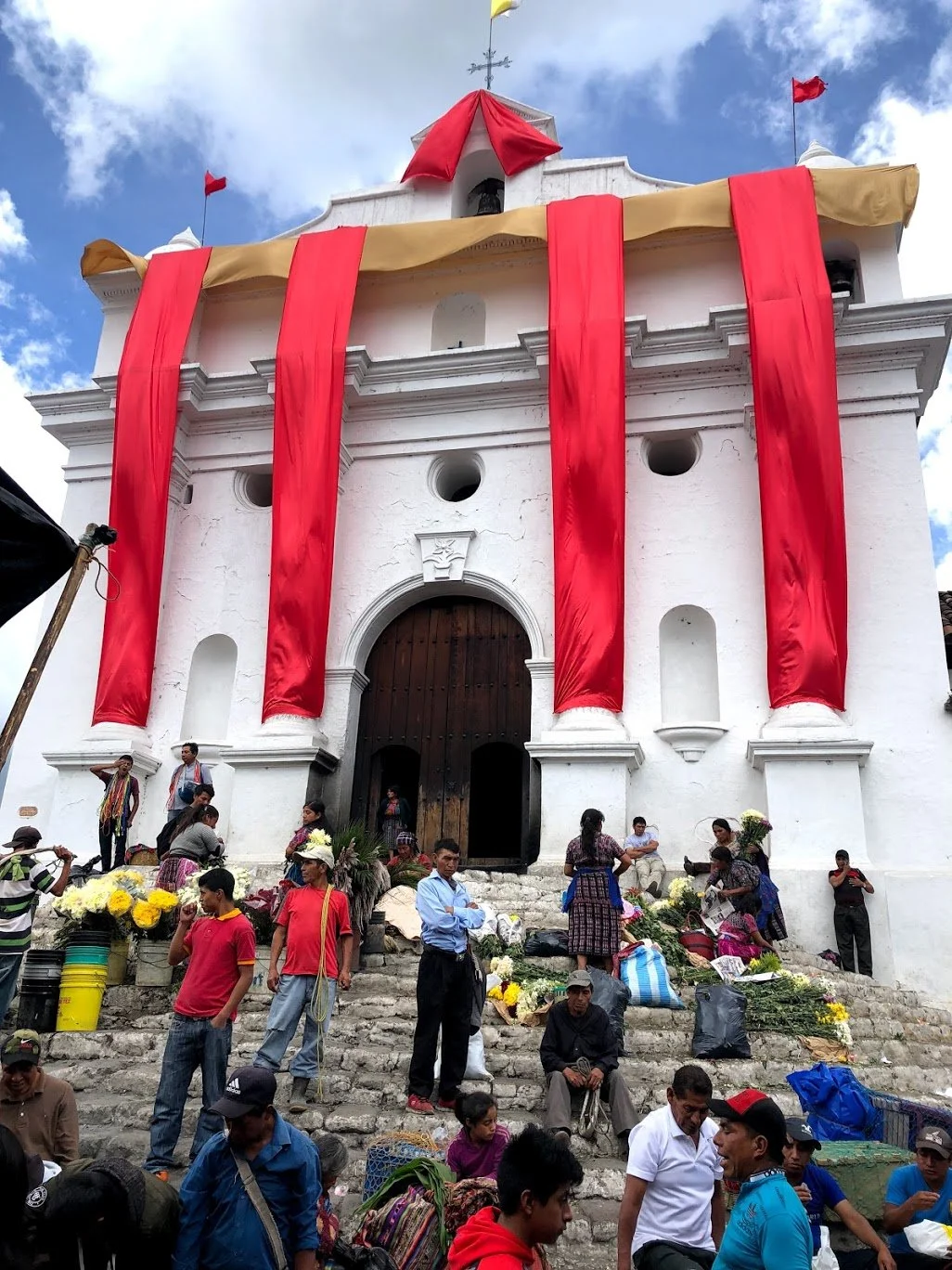
At 6,800 feet above sea level and home to over 150,000 inhabitants, Santo Tomás Chichicastenango, also known as “Chichi,” is a unique and vibrant Maya-K’iche’ town located in Guatemala’s western highlands, rich in history and culture.
Chichi is known for its large open-air market with cobblestone streets and a colorful cemetery. Surrounded by mountain landscapes and traditions it is a place where Maya beliefs and faith deeply intertwine. Though stunningly beautiful, the community is also shaped by a complex history and ongoing daily challenges.
Recommended Resources
These resources can help visitors better understand Guatemala’s history and culture while preparing to serve with humility, mutuality, and respect for local leadership.
-
Silence on the Mountain by Daniel Wilkinson — Explores Guatemala’s history, land inequality, and civil war through the stories of people living on a coffee plantation.
Paradise in Ashes by Beatriz Manz — Follows a Maya community affected by violence and displacement and its journey toward rebuilding.
The Art of Political Murder by Francisco Goldman — Examines the search for truth following Guatemala’s civil war and the murder of Bishop Juan José Gerardi.
Guatemala: Never Again! — Shares findings from the Catholic Church’s Recovery of Historical Memory project, documenting the experiences of communities affected by Guatemala’s internal armed conflict.
-
When Helping Hurts by Steve Corbett and Brian Fikkert — Encourages ministry rooted in dignity, relationship, participation, and long-term development rather than one-sided charity.
Geography of Grace: Doing Theology from Below by Kris Rocke and Joel Van Dyke — Invites readers to recognize God’s grace already present among people and communities often overlooked.
Walking with the Poor by Bryant L. Myers — Presents a Christian vision of holistic transformation centered on restored relationships, local participation, and hope.
Helping Without Hurting in Short-Term Missions by Steve Corbett and Brian Fikkert — A practical guide for teams seeking to serve with cultural humility and respect for local leaders.
Toxic Charity by Robert D. Lupton — Challenges forms of service that can unintentionally create dependency and offers principles for more empowering partnerships.
-
Reparando — Explores Guatemala’s history and follows Guatemalan leaders working toward healing and transformation in their own communities. It reflects the importance of faith, reconciliation, local leadership, and recognizing people as agents of change.
Granito: How to Nail a Dictator — Examines Guatemala’s history and the pursuit of truth and justice following violence against Maya communities.
500 Years — Explores Guatemala’s recent history through Indigenous-led movements for justice and social change.
Finding Oscar — Follows the search for survivors and accountability following the 1982 Dos Erres massacre.
Ixcanul — A Guatemalan drama filmed primarily in Kaqchikel. Although it does not portray the K’iche’ community specifically, it offers insight into Indigenous language, culture, gender, migration, and inequality.
A Note for Viewers and Readers
Some of these resources address difficult and intense subjects, including war, genocide, racism, poverty, displacement, sexual violence, and the loss of life. Please consider the content and age appropriateness of each resource before reading or viewing it.
As you engage with these stories, we encourage you to do so with humility, remembering that Guatemala is not defined only by hardship. It is a country filled with beauty, faith, resilience, wisdom, strong communities, and local leaders who are shaping its future.